Introduction
Mini split systems are becoming a popular choice for many homeowners in the U.S. when it comes to heating and cooling their homes. These energy-efficient heating and cooling systems provide a cost-effective solution without the need for bulky ductwork and are often compared with other forms of home appliance electricity usage.
However, one of the common questions people have is: How much electricity does a mini split use? This question is crucial for those looking to reduce their electricity usage and optimize their home’s energy consumption. In this post, we will dive into everything you need to know about mini split power usage and how it can impact your energy bills.
What is a Mini Split System?
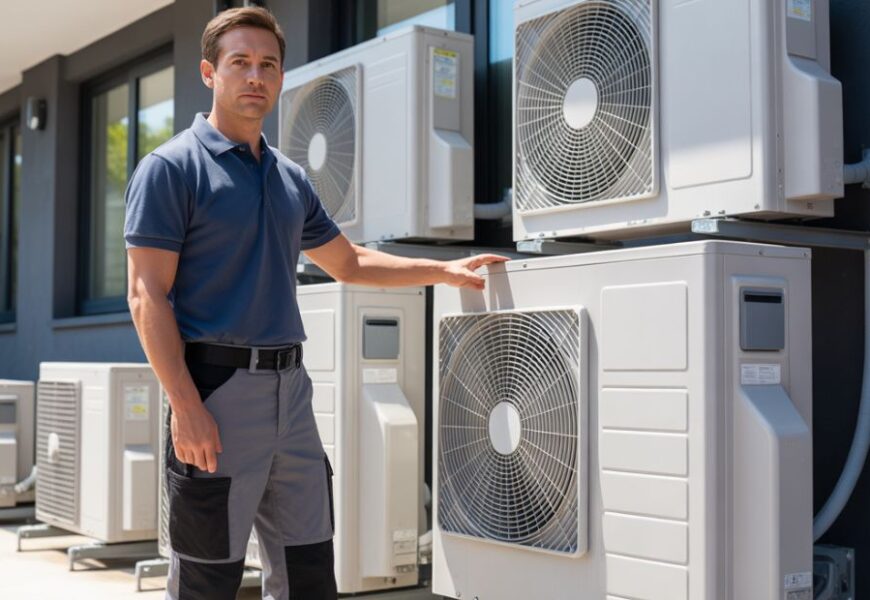
A mini split system is a type of ductless HVAC system used for heating and cooling individual rooms or zones in a home. It consists of two main parts: an indoor unit that blows air into the room, and an outdoor unit that contains the compressor. These systems work without the need for ductwork, which makes them ideal for homes without existing ducts or for spaces where adding ductwork would be too expensive or impractical. Mini split systems are well-known for their energy efficiency and ability to provide zone control, meaning you can set different temperatures in different rooms of your house.
One of the key benefits of a ductless mini split system is that it can be more energy-efficient than traditional HVAC systems. This is because there is no energy loss from ductwork, which can account for up to 30% of energy losses in a standard HVAC system. The SEER rating (Seasonal Energy Efficiency Ratio) of a mini split is a key factor in determining how much electricity it will use. Higher SEER ratings mean greater energy efficiency.
How Much Electricity Does a Mini Split Use?
When it comes to understanding how much electricity a mini split uses, several factors come into play. The main factors include the size of the unit (measured in BTU rating), its SEER rating, the type of system (whether it is single-zone or multi-zone), and how often it’s used.
Introduction to Energy Usage
Electricity consumption for mini split systems is typically measured in watts or kilowatts, with energy usage often reported in kWh (kilowatt-hours). A mini split system with a high SEER rating will use less electricity, as it operates more efficiently, consuming less power to heat or cool your home. For example, a 12,000 BTU mini split may use between 800 to 1,200 watts depending on its SEER rating. If you’re wondering how much electricity does a mini split use, understanding the system’s efficiency and usage time is key to estimating its overall consumption. The longer the unit runs, the more electricity it will consume.
Factors Affecting Electricity Consumption
Several factors will affect the overall electricity usage in mini splits. The BTU rating of a mini split is the first thing to consider. The higher the BTU rating, the more power it will consume to heat or cool a room. Larger rooms require more power to achieve the desired temperature, so an 18,000 BTU mini split will use more power than a smaller 9,000 BTU unit. Similarly, a high SEER rating means the system uses less electricity, while a lower SEER rating might lead to higher energy consumption.
Single-Zone vs. Multi-Zone Mini Split Systems
There are two primary types of mini split systems: single-zone and multi-zone. Each has its unique features when it comes to power consumption and energy efficiency.
Single-Zone Systems
A single-zone mini split is designed to heat or cool only one room. Typically, these systems consume between 500 to 1,500 watts of power depending on the size of the room and the BTU rating. These systems are great for small spaces and are often used to heat or cool a single room or office. Since you only heat or cool one room, energy savings are more noticeable, as you’re only using energy where it’s needed.
Multi-Zone Systems
A multi-zone mini split system has multiple indoor units that allow for heating and cooling in several rooms or zones simultaneously. While multi-zone systems use more electricity overall, they can be more efficient in the long run. These systems allow for zone control, meaning you can only cool or heat rooms that are in use. By doing so, you can avoid wasting electricity on unused spaces. In fact, multi-zone systems can save you money by reducing the overall cooling and heating load of a traditional HVAC system.
Energy Consumption Based on Size
The size of your mini split has a direct impact on its power consumption. The BTU rating determines how much energy the unit will use to heat or cool a space. Larger rooms or areas with higher cooling and heating loads will require higher BTU ratings.
BTU Ratings Explained
BTU stands for British Thermal Units, which is a unit of energy used to measure the power of air conditioners and mini split systems. Generally, the larger the BTU rating, the more electricity the system will consume. For example, 9,000 BTU units are commonly used in small rooms, while 12,000 BTU units are used for medium-sized rooms. 18,000 BTU units are used for larger rooms or open-plan spaces.
Energy Consumption Estimates by Size
- 9,000 BTUs: 500–750 watts per hour.
- 12,000 BTUs: 800–1,200 watts per hour.
- 18,000 BTUs: 1,500–2,000 watts per hour.
By opting for an energy-efficient mini split system with a high SEER rating, you can lower your power consumption even for larger systems.
Seasonal Energy Consumption (Winter vs. Summer)
Mini split systems are often used year-round, but the electricity usage varies depending on whether the unit is in heating or cooling mode.
Winter Energy Usage
In the winter, a mini split works to heat your home. For example, a 12,000 BTU unit might consume 10-15 kWh of electricity per day during heating mode. The amount of electricity it uses depends on factors like outdoor temperature and the desired indoor temperature. If it’s very cold outside, the defrost cycle may also increase the unit’s power consumption.
Summer Energy Usage
During the summer, when the mini split system switches to cooling mode, energy usage can vary. For example, a 12,000 BTU unit may consume between 8 to 12 kWh per day. To reduce electricity bills, set your temperature control to 78°F, which is the most energy-efficient setting. If you’re wondering how much electricity does a mini split use in the summer, these settings will help ensure it’s running optimally without wasting power.
How a Mini Split System Can Save You Money on Electricity Bills
One of the most attractive features of ductless mini splits is their ability to save money on energy bills through energy savings.
Energy Efficiency of Ductless Systems
Mini splits are energy-efficient because they do not use ductwork, which can lead to significant energy losses in traditional HVAC systems. In fact, energy losses from ductwork can account for up to 30% of your total energy consumption. By choosing a ductless HVAC system, you avoid this waste and place less strain on the electrical setup in homes, making it a more cost-effective and efficient solution overall.
Zoning for Energy Savings
Mini split systems offer zone control, allowing you to heat or cool only the rooms you’re using, which helps reduce electricity consumption. By focusing energy on occupied spaces, you avoid wasting power on empty rooms, leading to more efficient performance. If you’re curious about how much electricity does a mini split use, this zoning feature is a key factor in reducing overall energy bills.
How to Maximize the Efficiency of Your Mini Split
Maximizing the efficiency of mini split systems is key to ensuring you get the most out of your power consumption.
Proper Sizing and Placement
The most important factor in maximizing mini split efficiency is choosing the right-sized unit for your space. An undersized unit will struggle to reach the desired temperature, using more energy. Similarly, the placement of the indoor unit plays a huge role in airflow optimization. Ensuring proper airflow will help the system run more efficiently.
Regular Maintenance
Regular maintenance is key to ensuring your mini split system operates at peak efficiency. Cleaning filters, checking for leaks, and scheduling regular HVAC servicing can help prevent unnecessary electricity consumption. By maintaining your system, you’ll also have a better understanding of how much electricity does a mini split use, ensuring it remains energy-efficient over time.
Smart Thermostats and Apps
Using smart apps or thermostats for mini splits allows you to schedule heating and cooling times based on your needs. This means you don’t have to run the system all day, saving electricity in the process.
Conclusion
In the U.S., mini split systems offer a highly energy-efficient way to keep your home comfortable year-round. By understanding factors like BTU ratings, SEER ratings, and system type, you can make smart choices to minimize electricity consumption and better manage home utility costs. Regular maintenance, proper placement, and zone control also play a critical role in ensuring the system operates efficiently.
If you’re curious about how much electricity does a mini split use, it varies based on size and usage, but with the right setup, these systems can help lower your overall energy bills. Choosing an energy-efficient mini split system is a smart investment for any homeowner looking to reduce electricity usage.
FAQs
A mini split typically costs between $30 to $70 per month depending on usage, size, and electricity rates.
Running a 12,000 BTU mini split for one hour typically costs around $0.10 to $0.30 based on local electricity rates.
Yes, it’s okay to leave it on, but using smart scheduling or sleep mode can help save energy when not in use.
Disadvantages include higher upfront costs, aesthetic impact of visible units, and maintenance requirements.
Mini splits are usually cheaper to run due to energy efficiency and no ductwork losses compared to central AC.
The 3-minute rule advises waiting at least 3 minutes before restarting an AC unit to prevent damaging the compressor.