Introduction
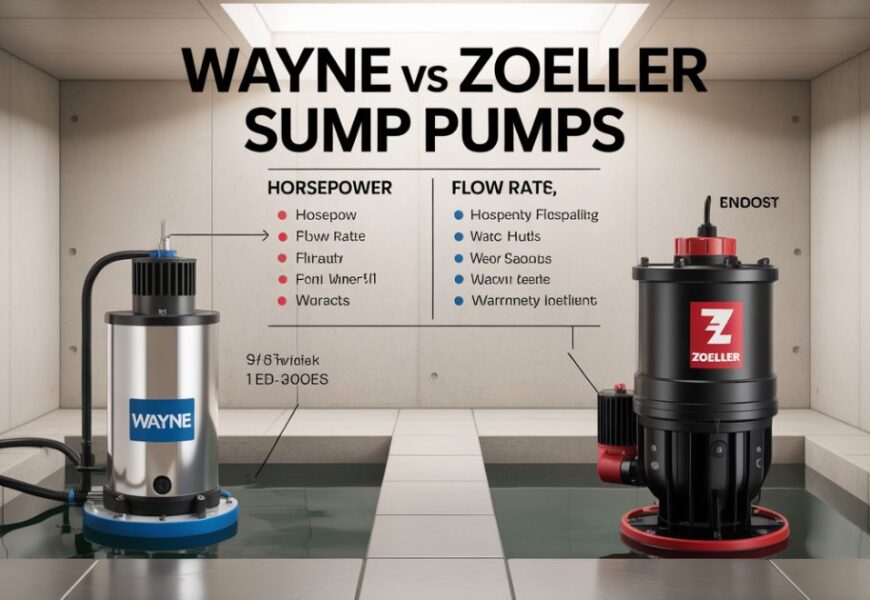
Choosing the right sump pump can feel confusing, especially when homeowners ask how are wayne sump pumps compared to zoeller sump pumps in real-world use. Both brands are popular across the United States and trusted for protecting your home from water damage during heavy rain and flooding. However, they serve slightly different needs. Wayne often appeals to homeowners looking for dependable performance at a reasonable price, while Zoeller is known for heavy-duty construction, cast iron pumps, and long-term reliability.
Understanding the differences in build quality, pump performance, solids handling, and overall value helps you decide which option fits your home best. This comparison breaks everything down in simple terms so you can choose with confidence.
Overview — Wayne vs Zoeller Sump Pumps
When people ask how are wayne sump pumps compared to zoeller sump pumps, they usually want the big picture first. Wayne focuses on accessibility. You see their pumps in big-box stores across the U.S. Zoeller leans professional. Many plumbers swear by them after decades of installs.
Wayne often appeals to homeowners who want a solid pump without overspending. Zoeller attracts buyers who think ahead and focus on long-term home maintenance decisions instead of short-term savings. Both brands serve American homes well. They simply take different paths to get there.
Head-to-Head Comparison of Key Features
To truly answer how are wayne sump pumps compared to zoeller sump pumps, you must look beyond the box. Features decide how a pump performs when pressure rises. Build materials, power, and safety backups shape how confident you feel during storms.
This comparison focuses on real-life use. Flooded basements do not care about marketing. They care about flow rate, durability, and response time. Let’s examine each key feature closely.
Build Quality & Materials in Wayne vs Zoeller Sump Pumps
Wayne uses stainless steel, thermoplastic, and coated steel in many models. These materials reduce cost and weight. Zoeller, however, favors cast iron construction, known for its cast iron durability in home systems. This material absorbs heat better and resists vibration over time, giving Zoeller pumps a heavier, tougher, and more industrial feel.
That difference affects lifespan. Wayne pumps feel easier to handle and install. Zoeller pumps feel heavier, tougher, and more industrial. If you value rugged design, Zoeller stands out. If you prefer lighter equipment, Wayne fits better.
Pump Performance & Capacity Comparison
Performance defines peace of mind. Wayne offers pumps with strong horsepower ratings and respectable gallons per hour output. They handle typical groundwater well. Zoeller pumps often deliver consistent flow under stress, even after years of use. When considering efficiency, it’s also important to understand how much electricity home appliances use, as this impacts your energy bills while keeping your basement dry and safe.
Here is a simple comparison table to show how capacity usually differs.
| Brand | Typical HP Range | Average GPH at 10 ft |
| Wayne | 1/3 to 1 HP | 3,000–5,500 |
| Zoeller | 1/3 to 1 HP | 3,500–6,000 |
This table helps explain how are wayne sump pumps compared to zoeller sump pumps in raw power. Zoeller usually edges ahead in sustained performance.
Solids Handling & Clogging Resistance
Basement water is rarely clean. Dirt, gravel, and debris sneak in. Zoeller designs pumps to pass larger solids. Many models handle debris up to half an inch without choking.
Wayne pumps manage smaller solids well. However, they may clog sooner if debris builds up. If your sump pit collects dirt fast, Zoeller gives you extra breathing room. That difference becomes critical during long storms.
Float Switches and Automation Features
Float switches control when the pump activates. Wayne often uses vertical float switches that respond quickly. They feel simple and responsive. Zoeller also relies on vertical floats, but they are thicker and more rugged.
Automation feels similar on paper. In practice, Zoeller switches last longer under heavy cycling. Wayne switches perform well in light to moderate use. This detail quietly influences how are wayne sump pumps compared to zoeller sump pumps in reliability.
Battery Backup and Alarm Options
Power outages turn sump pumps useless unless backups exist. Zoeller offers dedicated battery backup systems and water alarms designed to integrate smoothly. Wayne provides backup solutions too, but their options feel more limited.
For homeowners in storm-prone states, power outage preparedness for homeowners becomes crucial. Having reliable backup protection often decides whether your basement stays dry at 2 a.m. during a blackout.
Warranty & Long-Term Reliability
Warranty reflects confidence. Wayne typically offers solid warranties for residential use. Zoeller warranties often match or exceed Wayne’s, especially on cast iron models.
Reliability stories explain more than paperwork. Many plumbers report Zoeller pumps running for ten years or more. Wayne pumps often last many years too, especially with proper maintenance. Longevity depends on use conditions and care.
Pricing & Value for Money
Money matters. Wayne sump pumps usually cost less upfront. That makes them attractive for first-time homeowners or quick replacements. Zoeller pumps cost more initially, but their durability can lower replacement costs later.
Here is a general pricing snapshot.
| Brand | Typical Price Range |
| Wayne | $150–$300 |
| Zoeller | $250–$450 |
This table helps clarify how are wayne sump pumps compared to zoeller sump pumps in value. Wayne saves money today. Zoeller may save money tomorrow.
Which Brand Is Better for Your Home?
The better brand depends on your basement. Light water issues and tight budgets favor Wayne. Heavy water tables and long-term planning favor Zoeller.
Think of it like shoes. Wayne feels like a comfortable everyday sneaker. Zoeller feels like a work boot built for rough ground. Both work. One just lasts longer under strain.
Recommended Models to Consider (Examples)
Wayne Recommendations
Popular Wayne models suit average homes well. Homeowners often choose them for ease of installation and availability. They work best in basements with moderate water flow and clean pits.
Zoeller Recommendations
Zoeller models shine in demanding environments. Many contractors recommend them for finished basements or high-risk flood zones. Their solid build inspires confidence when storms hit hard.
Common Mistakes When Choosing a Sump Pump
Many homeowners rush decisions. They focus on price alone. Others ignore debris handling or skip backup systems. Some choose pumps too small for their water load.
Avoiding these mistakes matters more than brand loyalty. Understanding how are wayne sump pumps compared to zoeller sump pumps helps you avoid regret later.
Conclusion
Choosing between Wayne and Zoeller comes down to understanding your home’s needs and risk level. Wayne offers reliable performance, easier availability, and a more budget-friendly entry point for many homeowners. Zoeller focuses on durability, long service life, and professional-grade protection for demanding conditions.
When you step back and look at build quality, performance, and long-term value, the answer to how are wayne sump pumps compared to zoeller sump pumps becomes clear. Both brands work well, but the better choice is the one that matches your basement conditions, budget, and comfort level for long-term protection.
FAQs
Yes, Wayne sump pumps are good for typical home use, offering solid performance and reliable water removal at a more affordable price.
There isn’t one “best” for everyone, but Zoeller is often regarded as top-tier for durability, while Wayne is a strong choice for value and everyday use.
Many Wayne sump pumps are assembled in the USA, though some parts may come from other countries.
With normal use and maintenance, a Wayne sump pump typically lasts 5–10 years.
Cast-iron sump pumps from brands like Zoeller tend to last the longest in heavy-use conditions.
The Zoeller M53 Mighty-Mate is often considered the best overall for home basements due to its durability and consistent performance.