Introduction
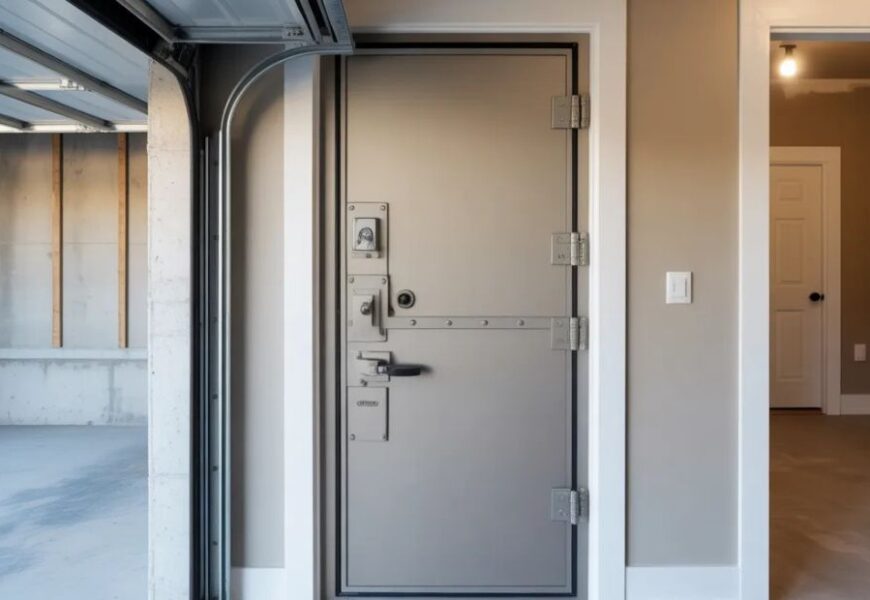
When it comes to home safety, one of the most important investments you can make is installing a fire rated door for garage to house, especially in house plans with attached garage layouts. The garage is often a space filled with flammable liquids, tools, and other fire hazards that can quickly escalate into a dangerous situation.
A fire-rated door acts as a critical barrier, slowing the spread of flames and smoke, giving you precious time to evacuate or call for help. Not only does it enhance your home’s fire protection, but it can also improve your home’s security and may lead to insurance discounts. Whether you’re concerned about fire safety or looking to increase your property’s value, a fire-rated garage door is a smart investment.
What is a Fire Rated Door?
A fire-rated door is a specially designed door that helps to slow down or stop the spread of fire and smoke. These doors are made from fire-resistant materials that can withstand high temperatures for a set amount of time. For example, a typical fire-rated door might have a fire resistance rating of 20 minutes, 30 minutes, or even 90 minutes. The door acts as a barrier, preventing flames from traveling quickly through the garage to other parts of your home.
The fire resistance of the door depends on its construction, including the materials used, its thickness, and the seals around the edges. When choosing a fire-rated door for your garage, make sure it meets the necessary standards and fire-rated door certifications, like those from UL (Underwriters Laboratories) and NFPA (National Fire Protection Association). These certifications ensure the door can handle the expected fire hazards in your home.
Why Install a Fire Rated Door Between a Garage and House?
Installing a fire-rated door between garage and house is one of the most effective ways to protect your home from the risk of fire. The garage is often home to flammable liquids, tools, and other equipment that can easily catch fire. If a fire starts in the garage, it can spread quickly to the rest of your home. A fire-rated door slows down the fire’s progress, giving you valuable time to evacuate or allow firefighters to respond before the flames reach your living space.
Additionally, fire-rated doors help contain dangerous smoke, which can travel far beyond the flames. Smoke inhalation is responsible for many fire-related injuries and deaths, so it’s essential to have a door that can block smoke from entering the house. By installing this type of door, you’re not only improving your home’s safety but also enhancing its fire protection capabilities.
Fire Risks in a Garage
Garages are some of the most fire-prone areas in a house. Many homeowners store flammable liquids, like gasoline, paint, and solvents, in the garage, making it a potential fire hazard. Faulty electrical systems, poor electrical wiring safety at home, space heaters, and even overloaded circuits can also spark a fire in this area. The problem is that most garages are connected to the rest of the house, so a fire that starts there can quickly spread throughout the property.
In fact, the National Fire Protection Association (NFPA) reports that home fires originating in garages often cause significant damage. Without proper fire-rated door installation, these fires can easily extend into your home, causing widespread destruction. Protecting your home with a fire-rated door can be one of the most critical steps in preventing such disasters.
Fire Rated Door Standards and Codes for Garage to House
When installing a fire rated door for garage to house, it’s important to follow local and national fire-rated door regulations and home construction code requirements. The NFPA 80 standard provides guidelines on how fire-rated doors should be installed and maintained. Fire-rated doors for garage-to-house installations are typically required to have a fire rating of at least 20 minutes. Some areas may require a higher rating, depending on local building codes.
Additionally, it’s essential that the door you choose meets certification standards, such as those from Underwriters Laboratories (UL). This ensures the door has been tested for its fire resistance and can withstand the necessary heat and flames in case of an emergency. Fire door certifications are a key part of ensuring your door complies with legal and insurance requirements.
Types of Fire Rated Doors for Garage to House
Solid Core Doors
A solid core door is a common choice for fire-rated garage door installation. These doors are made from a solid material, such as MDF or particle board, which provides excellent fire protection. Solid core doors are typically rated for 20 to 90 minutes of fire resistance, depending on the material and thickness. They are a good option if you’re looking for a cost-effective solution that offers fire protection without sacrificing too much in terms of aesthetics.
However, solid core doors can be heavier and may not offer as much security as other types, especially in terms of forced entry prevention.
Steel Doors
Steel fire-rated doors are another popular choice. Steel garage doors are known for their durability and ability to withstand intense heat, making them ideal for fire protection. These doors often come with reinforced panels, heavy-duty frames, and secure door locking systems, which provide extra strength and resistance to both fire and forced entry. They are especially suited for areas where security is also a concern, as steel garage doors can help prevent unauthorized access.
In terms of fire protection, steel doors typically offer high ratings, often lasting 60 to 90 minutes before they start to fail under heat. They are also low-maintenance and can be easily coated to prevent rust.
Wood and Composite Doors
For homeowners seeking an attractive garage door design, wood or composite doors may be the way to go. These doors offer a good balance of aesthetics and fire protection. While wood doors may not be as fire-resistant as steel doors, some modern wood doors use fire-resistant materials or treatments that can increase their fire rating. Composite doors, made from a blend of materials like wood and fiberglass, also offer good insulation and fire protection.
However, wood and composite doors typically have a lower fire rating compared to steel fire-rated doors.
Glass and Fire Rated Doors
Some homeowners opt for a fire rated door for garage to house with glass panels, allowing natural light to enter the garage while maintaining fire protection. The glass used in these doors is specially designed to withstand high temperatures and prevent the spread of flames. While offering an attractive option, it’s essential that the glass has the correct fire resistance rating and meets the necessary fire-rated door certifications to ensure safety.
Choosing the Right Door: Factors to Consider
When selecting a fire rated door for garage to house, there are several factors to consider. Material plays a big role in the door’s fire resistance rating, with steel doors generally offering the highest protection. Design is also important, especially if you want the door to blend with your home’s style. Look for doors with reliable seals and tamper-proof mechanisms to ensure that they perform well in the event of a fire. You should also check if the door offers thermal barrier and insulated garage doors to improve energy efficiency.
Finally, remember that the door’s fire rating should match the fire-rated door requirements of your local building codes. A fire-rated door installation should comply with these regulations to ensure maximum protection and avoid issues with insurance or property safety.
Installing a Fire Rated Door Between Garage and House
Installing a fire-rated door requires more than just choosing the right material and style. It’s important to follow proper installation guidelines to ensure the door works effectively. You can opt for professional fire door installation to ensure that the door is correctly fitted and sealed. The installation must include reinforced frames and proper weather-stripping to prevent gaps that could allow fire or smoke to escape.
Make sure the door is properly fire-rated door certified, meaning it has been tested for its ability to resist fire for a specified amount of time. Poor installation can cause the door to fail during a fire, making it ineffective in protecting your home.
Maintaining Your Fire Rated Door
To ensure that your fire-rated door continues to provide the best protection, regular home safety maintenance is crucial. Check the door seals, hinges, and frame to ensure they remain in good condition. Over time, seals can wear down, which might affect the door’s fire resistance. Be sure to have your door inspected regularly by a professional to ensure it meets the necessary fire-rated door regulations.
Costs of Fire Rated Doors for Garage to House
| Factor | Wood or Composite Fire-Rated Doors | Steel Fire-Rated Doors | Installation Costs |
| Upfront Cost | $200 – $600 | $600 – $1,500 | $300 – $600 (DIY) |
| Material Durability | Moderate | High | N/A |
| Fire Resistance Rating | 20 – 60 minutes | 60 – 90 minutes | N/A |
| Security | Moderate | High (Reinforced panels, heavy-duty frames) | N/A |
| Insurance Savings | Moderate | Significant (up to 10% off premiums) | Varies by insurance company |
| Long-term Value | Good (with proper maintenance) | Excellent (low maintenance, high durability) | N/A |
| Total Cost (including installation) | $500 – $1,000 | $900 – $2,000 | $600 – $1,200 |
Fire Rated Door Alternatives and Add-Ons
There are alternatives to fire-rated doors, such as fire-resistant curtains or fire-resistant panels that can be used in conjunction with your garage door. These can enhance your home’s fire protection without requiring a full door replacement. Additionally, add-ons like self-closing devices can help ensure that your door remains closed and sealed during a fire.
Real-Life Case Study or Example
A real-life example highlights the value of installing a fire rated door for garage to house. After a fire started in the garage from overheated equipment, the door effectively contained the flames and smoke. This allowed the family to evacuate safely and call firefighters in time. The result was minimal damage to the living areas and no injuries, showing how a simple fire-rated door can prevent a devastating situation.
Conclusion
A fire rated door for garage to house is a simple yet vital investment in your home’s fire safety. It provides essential protection, slows down the spread of fire, and can save your home from severe damage. Whether you choose a steel fire-rated door or a more aesthetically pleasing wood composite option, make sure it meets the necessary standards and is installed correctly.
With the right door, you’ll improve both your home’s security and fire protection capabilities, and enjoy long-term benefits like insurance savings and property value increase.
FAQs
Yes, installing a fire-rated door between the garage and house is highly recommended to prevent the spread of fire and smoke.
A fire-rated door made of steel or solid core material is ideal for providing proper fire protection between the garage and living spaces.
Yes, a fire door is important to contain flames and smoke in case of a fire, ensuring the safety of your home and family.
In many homes, a firewall or fire-rated door is required by building codes to prevent the spread of fire from the garage to the living areas.
Yes, depending on local building codes, a fire-rated door may be compulsory between the garage and house for safety and compliance.