Introduction
The blum compact 33 face frame hinge 110 degree 33.3600 has been a quiet workhorse in American kitchens for decades, especially in face-frame cabinetry where smooth, concealed cabinet hinge solutions. When you open your cabinet door, you want it to feel solid, not wobbly. This hinge delivers that reassuring motion. Many homeowners and craftspeople still seek it out because it fits standard 35 mm cup holes and offers a dependable 110° opening angle that’s ideal for most everyday cabinets.
Even though Blum has discontinued this specific model, many cabinets built years ago still use it, and people need to know how it works, how to install it, and what alternatives exist. In this guide you’ll learn the key features, installation tips, uses, limitations, and replacement options in the USA market for this classic hinge.
What Is the Blum Compact 33 Face Frame Hinge 110 Degree 33.3600?
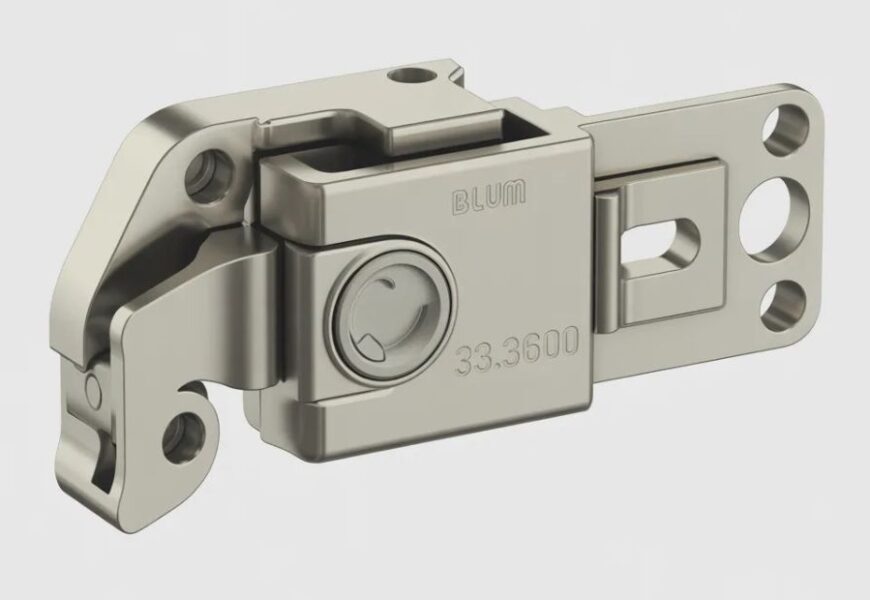
You can think of the blum compact 33 face frame hinge 110 degree 33.3600 as a traditional European-style hinge built for the U.S. face frame cabinets. It is a concealed hinge, meaning you don’t see it when the door is closed, which creates a clean look in kitchens, bathrooms, and built-in furniture.
This model opens doors up to 110 degrees, giving plenty of room to reach inside the cabinet without binding. Its two-piece design means the hinge attaches to the door and a separate mounting plate attaches to the cabinet frame, letting you choose plates that best match your door overlay.
Key Features and Specifications
The blum compact 33 face frame hinge 110 degree 33.3600 uses a zinc die-cast body for strength and durability, with a nickel-plated finish that resists wear over time. It fits in a 35 mm cup hole that is about 1/2″ deep, which is standard for many cabinet doors.
You also get ±9/64″ height adjustment and ±1/8″ side adjustment, so you can fine-tune how the door sits after installation. Because the hinge and plate are separate, you can mix and match plates for different overlay sizes depending on how your doors cover the cabinet frame.
Quick Specs Table for Blum 33.3600
| Attribute | Value |
| Opening Angle | 110° |
| Cup Diameter | 35 mm |
| Cup Depth | 12.7 mm (½″) |
| Height Adjustment | ±9/64″ |
| Side Adjustment | ±1/8″ |
| Material | Zinc die-cast, nickel plated |
| Mounting | Screw-on, two-piece |
| Status | Discontinued |
Why Cabinet Makers and Homeowners Choose This Hinge
Carpenters and woodworkers have selected the blum compact 33 face frame hinge 110 degree 33.3600 for years because it balances simplicity with performance. It sits neatly inside the door, giving you that clean, hidden look woodworkers love—especially when matching cabinets with interiors that demand a seamless, uncluttered appearance. When you swing open a cabinet, the hinge feels solid, not jerky or loose, which is reassuring in everyday life.
Many DIYers appreciate that once it’s installed correctly, these hinges stay aligned and adjustable. Even if your cabinet doors shift over time, the built-in adjustment lets you tweak without pulling the whole hinge off. That kind of flexibility makes projects more forgiving for beginners and seasoned builders alike.
Installation and Adjustment Tips
Installing the blum compact 33 face frame hinge 110 degree 33.3600 starts with drilling exact 35 mm holes in your door for the hinge cup, about 1/8″ (3 mm) from the edge. The mounting plate goes on the cabinet face frame and must match your desired door overlay.
Once the hinge cup slides into the hole and screws are in, you can use the adjustment screws to level the door. Pay attention to small tweaks side-to-side and up-and-down because even a little misalignment shows when the doors are closed. It helps to test one door first to perfect your layout before installing all the hinges.
How to Choose the Right Mounting Plate and Overlay
Choosing the correct mounting plate is essential because it determines how your cabinet door sits against the frame. Plates are widely variable and matched to overlay size — the amount of door that covers the frame. Older Compact 33 plates ranged from small (¼″) overlays up to about 1-5/8″, so measuring accurately matters.
If you use the wrong plate, doors can sit too far out or too far in, which can lead to rubbing or gaps. Smart woodworkers always check overlay measurements before buying plates or hinges. In the USA, you can take the hinge and a tape measure to the cabinet and figure this out before purchase to save frustration.
Common Uses and Application Scenarios
The blum compact 33 face frame hinge 110 degree 33.3600 has traditionally been used in kitchen cabinet installations, bathroom vanities, built-in shelves, and storage units where a concealed hinge is desired. It’s less likely used in heavy industrial or commercial environments because of its modest 110° opening angle, which is ideal for everyday homes.
In a typical U.S. home, these hinges are popular on older or custom cabinetry because they fit the standard 35 mm cup pattern and allow doors to close cleanly without visible hardware. The aesthetic and functionality they provide is appealing for classic wood projects and modern renovations alike.
Limitations and What You Should Know Before Buying
Before you decide to hunt down the blum compact 33 face frame hinge 110 degree 33.3600, it’s important to know that this exact model has been discontinued by Blum. That means new stock is limited and prices can vary widely.
Also, because the hinge was designed decades ago, it doesn’t have built-in soft close technology like modern hinges with BLUMOTION do. If your cabinet doors should close quietly on their own, you might need add-on dampers or newer hinge systems
Maintenance Tips for Longevity
Once installed, check your hinges annually. Over time you might see the door start to sag or open unevenly. That’s when you tighten the screws and adjust the side and height settings. Keeping them snug helps prevent wobble.
If you find the self-closing spring weakens (common with older hinges), consider installing small dowel clips or even a BLUMOTION soft-close kit on the frame for improved closing. A little preventative care goes a long way in extending hinge life.
Alternatives & Replacement Options in the USA Market
Since the Blum 33.3600 model has been phased out, many woodworkers now choose COMPACT BLUMOTION hinges that integrate soft-close and are still supported by Blum. These newer options are easier to install in many cases and offer quieter, smoother movement.
You can also find modern face-frame hinges with clip-on plates that snap in place instead of requiring screws for both hinge and plate, reducing installation time. These are generally more user-friendly and fit a range of overlays popular in newer cabinetry.
Conclusion
The blum compact 33 face frame hinge 110 degree 33.3600 may be older technology, but its simplicity and reliability are reasons many U.S. woodworkers and DIYers still value it. It gave countless cabinets a neat, hidden look and dependable motion for years.
Today, understanding how to install and maintain it helps you keep older cabinets working well, and knowing modern replacements like COMPACT BLUMOTION means your next kitchen cabinet projects can be even better with the quiet, effortless closing you feel every day.
FAQs
A 110-degree hinge is used for cabinets that need a wider door opening, giving easy access while keeping the hinge fully concealed.
Yes, Blum hinges are worth it because they offer long-lasting durability, smooth motion, and reliable performance trusted by professionals.
The difference is mainly the opening angle: 95-degree hinges open moderately, while 110-degree hinges open wider for better cabinet access.
You can identify a Blum hinge by the “Blum” marking on the hinge arm or cup and its distinct orange adjustment clips.
Measure the hinge cup diameter, depth, and the door overlay; most cabinet hinges use a 35mm cup but always confirm exact dimensions.
Yes, you can if the hinge supports the door’s thickness and weight, but always check the manufacturer’s load and compatibility guidelines