Introduction
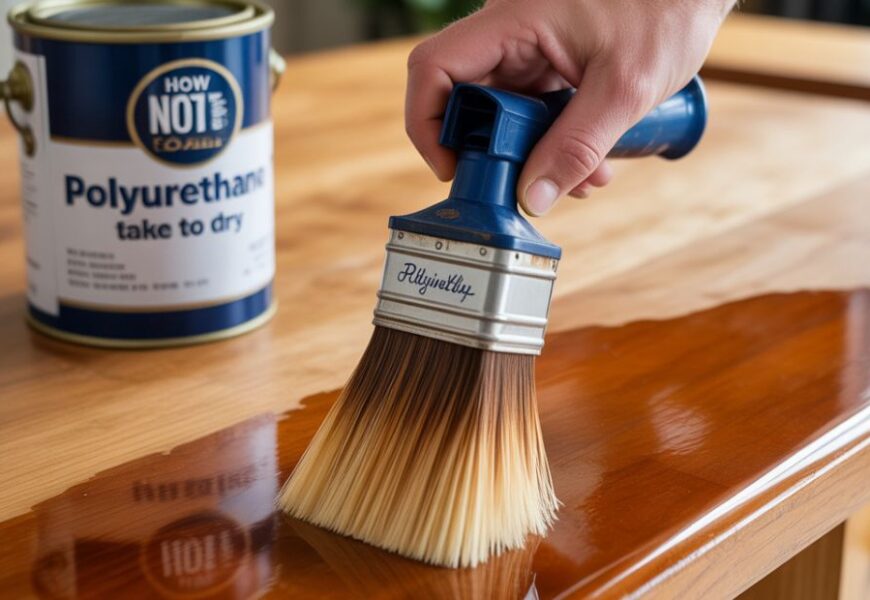
When it comes to finishing wood surfaces, one of the most common questions homeowners ask is, How long does polyurethane take to dry? Whether you’re applying oil-based polyurethane or water-based polyurethane, understanding drying and curing times is essential for a successful project.
The drying time can vary depending on several factors, including the coating thickness, temperature, humidity, and the type of polyurethane you use. Getting the timing right ensures that you achieve a durable, smooth finish without compromising the quality of your work. In this guide, we’ll break down the key aspects of polyurethane drying and curing, providing useful tips to speed up the process while ensuring the best results.
What is Polyurethane?
Polyurethane is a protective finish primarily used on wood surfaces but also effective on metal and concrete. It protects furniture, floors, and cabinets from surface abrasion, moisture, and wear. Available in two main types—oil-based polyurethane and water-based polyurethane—both create a durable, long-lasting coating but with different drying times and properties.
Polyurethane is commonly applied on wood furniture, floors, cabinets, and even outdoor wood surfaces. Depending on your desired look, it can be found in different sheen types, from matte to high-gloss finishes. Understanding how long does polyurethane take to dry is essential to achieving the best results for your project.
How Long Does Polyurethane Take to Dry?
Understanding how long does polyurethane take to dry is essential for effective project planning. The drying time varies depending on the type of polyurethane you use. Water-based polyurethane generally dries faster, usually in 2–4 hours between coats, but requires up to 21 days to fully cure. Oil-based polyurethane, on the other hand, takes longer to dry, typically 6–10 hours between coats.
Although it has a slower drying time, it provides a more durable finish, making it ideal for high-traffic areas. Be sure to allow enough time for both drying and curing to achieve the best results.
Factors That Affect Polyurethane Drying Time
Several factors can impact how long polyurethane takes to dry. These include temperature, humidity, air circulation, and coating thickness.
The ideal temperature range for applying polyurethane coatings is 70°F–80°F (21°C–27°C). If the temperature is too low, the drying process will slow down, and if it’s too hot, the finish may dry too quickly, causing surface imperfections. Humidity also plays a significant role in drying times. High humidity slows down the drying process because the air is saturated with moisture, preventing the solvent from evaporating quickly. On the other hand, low humidity can cause the finish to dry too quickly, leading to poor adhesion and uneven surfaces.
Another important factor is air circulation. A fan can help speed up the drying time, but it’s essential to avoid dust and dirt. The thickness of the coat you apply also matters. Thicker coats take longer to dry than thin layers. Applying several thin coats rather than one thick layer can help achieve a smoother finish and reduce drying time.
Water-Based vs. Oil-Based Polyurethane
There are key differences between water-based and oil-based polyurethane, especially when it comes to drying time and durability.
Water-based polyurethane dries faster, usually within 2–4 hours between coats. It’s a good option if you need to complete your project quickly. It also offers a clearer finish and is less likely to yellow over time, making it ideal for projects where you want to preserve the natural color of the wood. However, it is generally less durable than oil-based polyurethane and may not be suitable for high-traffic areas where extra durability is required.
Oil-based polyurethane, on the other hand, takes 6–10 hours to dry between coats, but it provides a more durable finish. It’s particularly effective for areas exposed to heavy wear, like floors or furniture. While it gives a warmer, amber hue, it may yellow over time and has a stronger odor. Despite the longer drying time, oil-based polyurethane tends to offer better weathering resistance and is more resistant to scratches and dents.
How to Speed Up Polyurethane Drying Time
If you need to speed up the drying time of your polyurethane finish, there are several strategies you can try.
First, use a fan to increase air circulation around the work area. A fan helps the solvents evaporate more quickly, reducing the overall drying time. However, make sure the fan doesn’t blow dust onto the surface you’ve just finished. If you’re working in a humid environment, consider using a dehumidifier to remove moisture from the air. This will help the polyurethane coating dry faster and more evenly.
Applying thin coats is another effective way to speed up the process. Polyurethane dries faster when applied in multiple thin layers rather than one thick layer. Also, make sure the room temperature is between 70°F–80°F to help the drying process. Finally, sanding between coats can help create a smoother surface and reduce the time it takes for the next coat to dry.
Common Mistakes to Avoid When Drying Polyurethane
There are several common mistakes that can slow down the drying time or affect the quality of the finish.
One mistake is applying too thick of a coat. Thick layers of polyurethane take much longer to dry and may cause the finish to bubble or become uneven. Another mistake is rushing the drying process by applying the second coat before the first has fully dried. This can lead to smudging or adhesion problems.
It’s also important to allow enough drying time between coats. Applying polyurethane too quickly can result in streaks or a rough texture. Lastly, avoid applying polyurethane in extreme temperatures or high humidity, as these environmental factors can slow the drying time and affect the final finish.
Polyurethane Curing Time: What You Need to Know
The curing time for polyurethane differs from the drying time. While drying time is when the surface is safe to touch and recoat, curing time is how long it takes for the finish to fully harden and reach its full strength. For water-based polyurethane, curing typically takes between 3 to 21 days, while oil-based polyurethane may require 21 to 30 days.
During this period, it’s essential to avoid heavy foot traffic, placing furniture too soon, or exposing the surface to water. Understanding how long does polyurethane take to dry and the curing process ensures your finish is durable and long-lasting. Patience is crucial for the best results.
Safety and Environmental Considerations
When applying polyurethane, safety should always come first. Work in a well-ventilated area with windows open or by using an exhaust fan to ensure good airflow. Always wear protective gear such as gloves, goggles, and a mask to avoid inhaling fumes and direct contact with the chemicals. Additionally, consider the environmental impact of using polyurethane.
Never pour leftover product down drains or dispose of it improperly. Always follow the manufacturer’s disposal guidelines for how long does polyurethane take to dry and ensure you are disposing of materials safely and responsibly. Proper safety and disposal practices help protect both you and the environment.
Conclusion
To wrap up, understanding how long does polyurethane take to dry is essential for anyone tackling wood finishing projects. The drying and curing times can vary depending on whether you’re using water-based polyurethane or oil-based polyurethane, as well as factors like temperature, humidity, and coating thickness.
By properly managing these elements and allowing adequate drying time, you can ensure a smooth, durable finish that protects your wood surfaces for years. Whether you’re working on floors, furniture, or cabinets, knowing the right timing for each stage will make all the difference in the final result. With patience and the right approach, your project will be a success.
Also, read: How Do You Remove Adhesive from Hardwood Floors
FAQs
Allow polyurethane to dry for at least 4–6 hours between coats for water-based and 6–10 hours for oil-based polyurethane. Full curing may take up to 21 days.
To speed up drying, apply thin coats, ensure good ventilation, use a fan, and keep the room temperature between 70°F–80°F.
It’s best to wait 24–48 hours before sleeping in a room after applying polyurethane, as fumes can still be present. Ensure proper ventilation.
If polyurethane is tacky after 4 hours, it could be due to high humidity, thick coats, or low temperatures. Allow more time for drying or adjust conditions.
For best results, apply 2–3 coats of polyurethane, allowing proper drying time between each coat for a smooth and durable finish.
Drying time for polyurethane paint usually takes 2–4 hours for water-based and 6–10 hours for oil-based. Full curing takes much longer.