Introduction
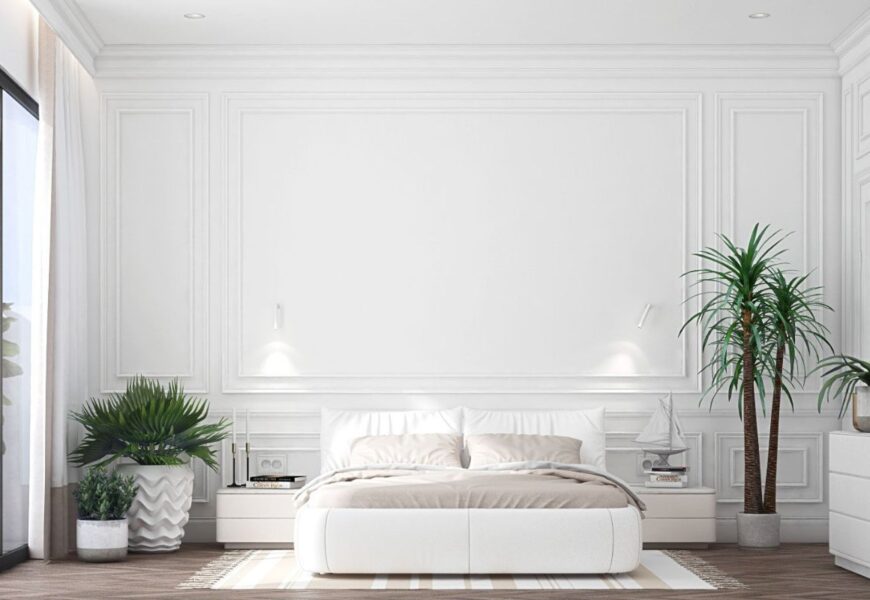
Walking into a well-designed room with white walls white trim instantly creates a feeling of openness, balance, and calm. This timeless combination is a favorite in modern and classic interiors because it reflects light beautifully and makes spaces feel larger and cleaner. White walls act as a neutral backdrop, while trim adds subtle architectural detail and structure without overwhelming the design.
When paired correctly, this look enhances natural light, highlights clean lines, and supports a minimalist aesthetic that never goes out of style. Whether used in living rooms, bedrooms, or hallways, white-on-white designs offer flexibility, elegance, and a polished finish that works with almost any décor style.
Understanding the Role of Trim in Interior Design
Trim acts as the finishing touch in any room, outlining the features of the space such as farmhouse windows, doors, and baseboards. When paired with white walls white trim, it adds definition and depth, enhancing the room’s overall structure.
The subtle contrast between the walls and trim can create a distinct boundary, providing a sense of dimension to otherwise flat spaces. Whether you’re looking to highlight architectural features or simply add a clean, refined finish, choosing the right trim is essential for achieving a polished and cohesive look.
Types of White Trim for White Walls
1. Crisp White Trim
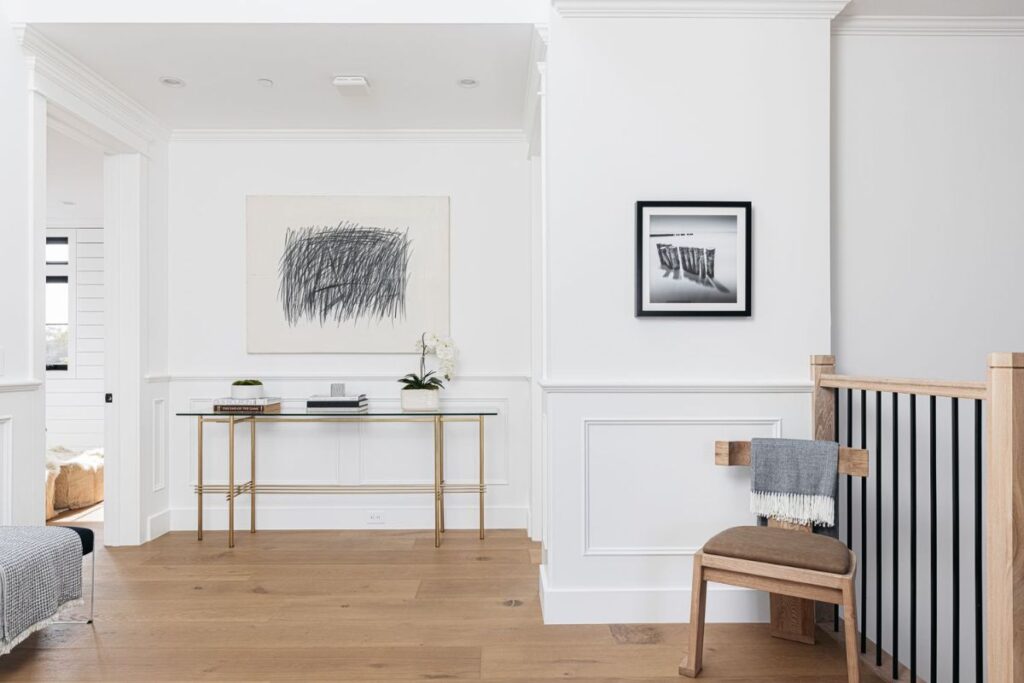
Crisp white trim is a popular choice for modern homes and minimalistic designs. The bright contrast it creates with white walls adds a fresh, clean look. This trim offers a sharp boundary between the walls and the room’s features, making it ideal for contemporary or industrial interiors. Using trims like Sherwin-Williams toque White or Benjamin Moore’s “Chantilly Lace” will emphasize the sleek and open feel that this design approach can provide.
2. Soft White Trim
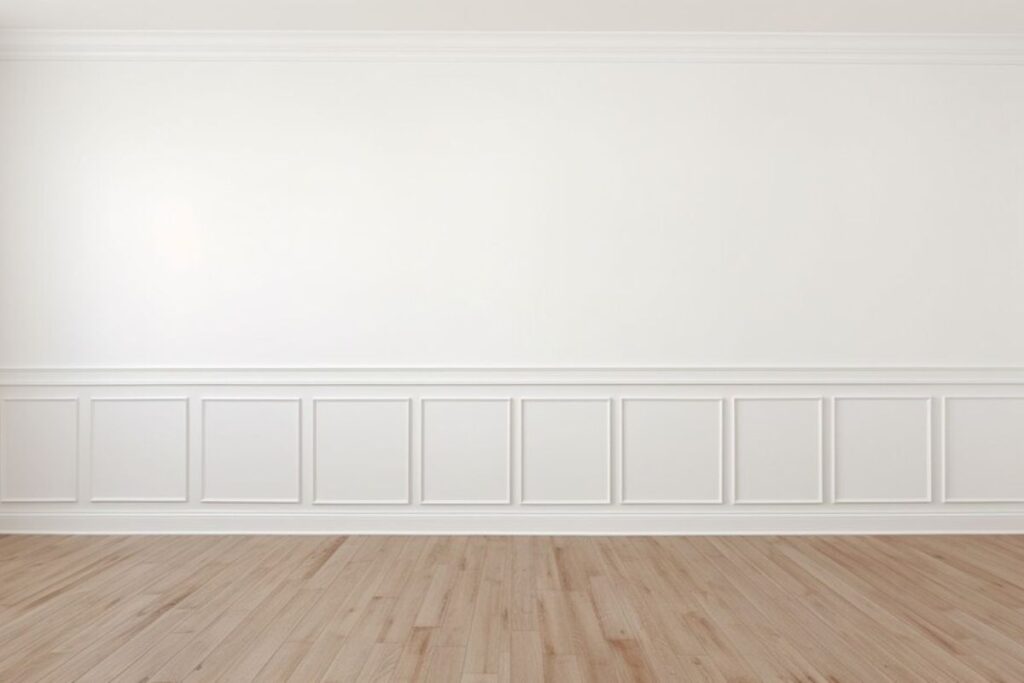
Soft white trim, which has warm undertones, pairs beautifully with white walls for a more inviting atmosphere. This trim is ideal for traditional or farmhouse-style homes where warmth is important. Soft white tones, such as Benjamin Moore’s “White Dove” or Sherwin-Williams’ “Alabaster,” offer a comfortable and cozy look while still maintaining a crisp finish that enhances the overall design.
3. Off-White Trim
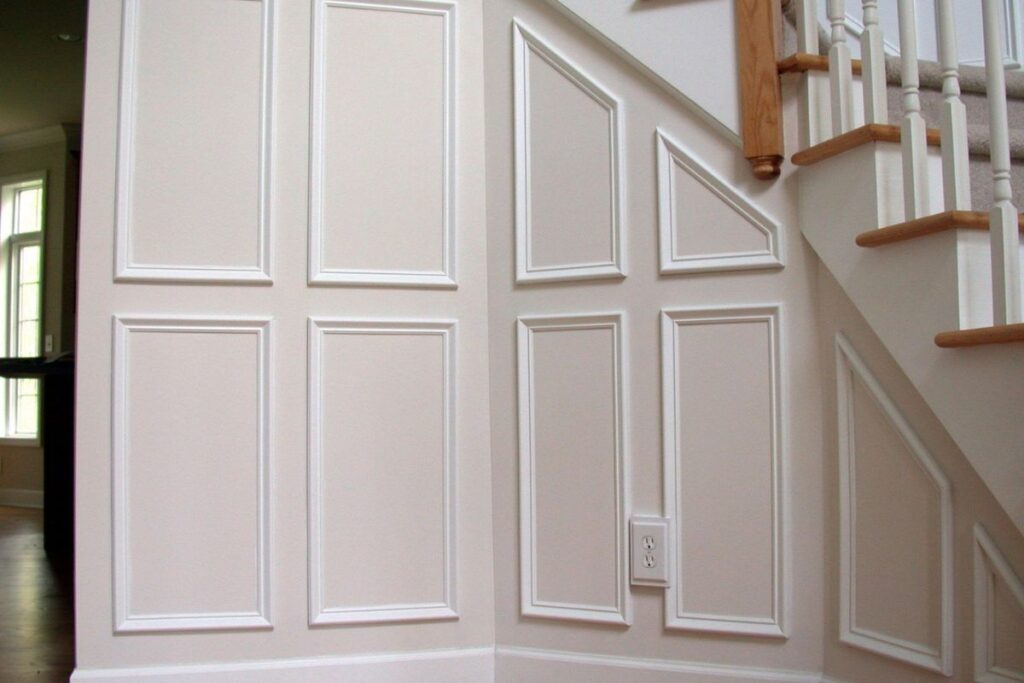
Off-white trim, featuring undertones of gray or taupe, provides a more subdued contrast against white walls white trim. It’s perfect for contemporary spaces that call for a little more depth while maintaining a neutral palette. Off-white trim such as Benjamin Moore’s “Cloud White” or Sherwin-Williams’ “Snowbound” adds sophistication and a touch of warmth, making it a great option for those who want to add dimension to the space.
4. Antique White Trim
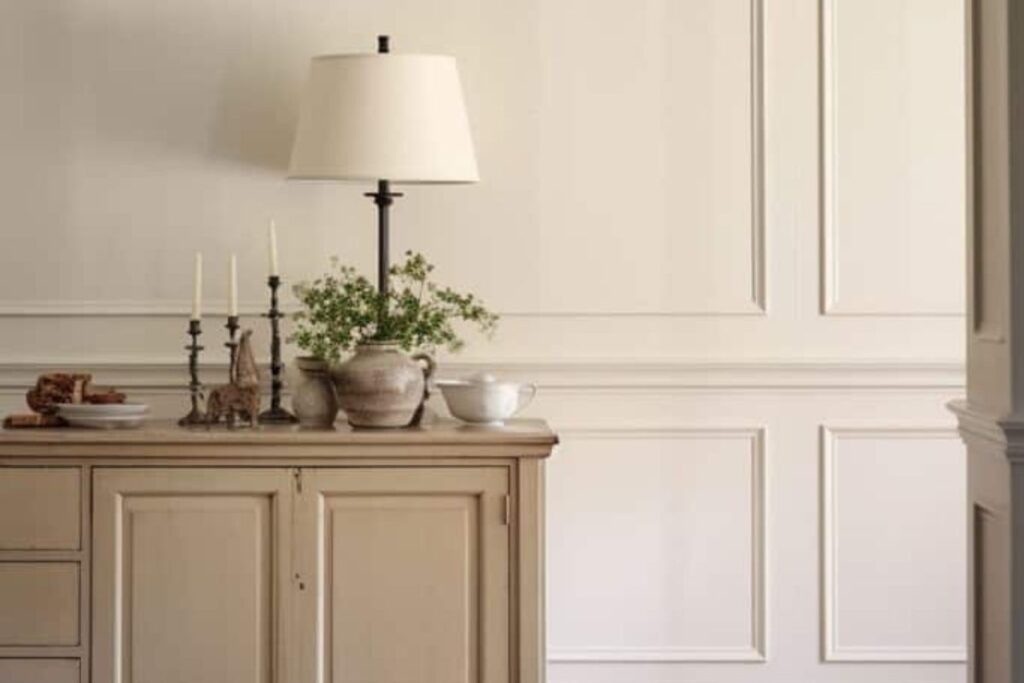
Antique white trim gives a vintage, timeless appeal that pairs well with white walls. Its creamy undertones evoke a sense of classic charm, making it an excellent choice for Victorian, shabby chic, or eclectic homes. Using trims like Benjamin Moore’s “Antique White” or Sherwin-Williams’ “Creamy” brings warmth to the space, creating a welcoming and nostalgic feel in any room.
5. Glossy White Trim
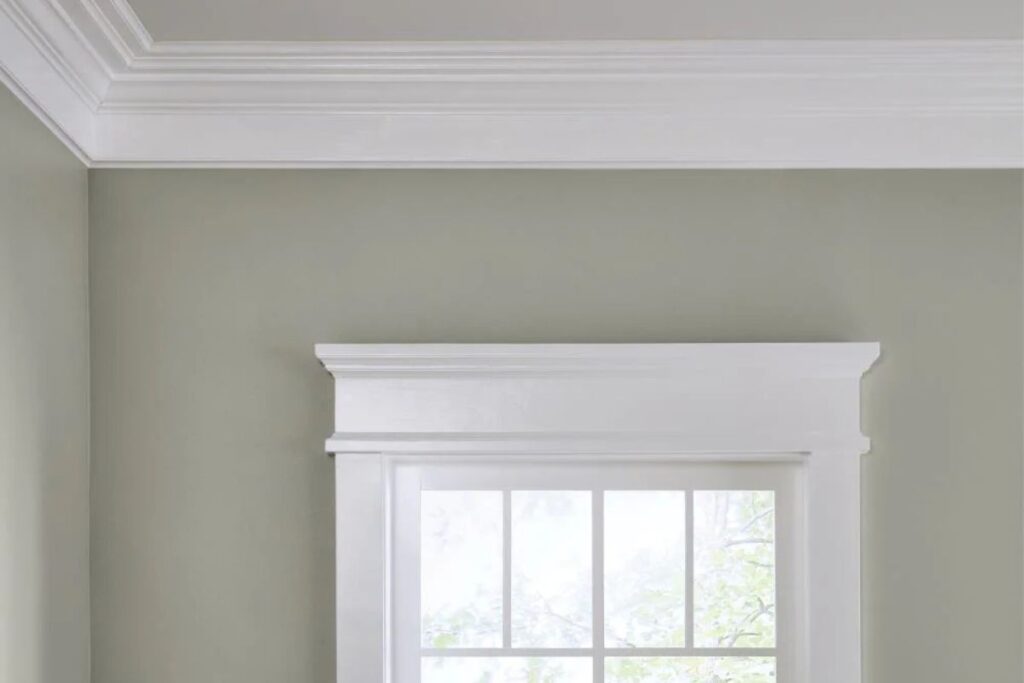
Glossy white trim provides a sleek, polished finish that makes interiors appear even more sophisticated. The high-gloss sheen reflects light, adding a touch of glamour and elegance to modern or luxurious spaces. Glossy finishes, whether applied to crisp or off-white tones, feel fresh and stylish, reflecting the natural light in the room and enhancing the overall aesthetic.
Factors to Consider When Choosing White Trim
Choosing the right trim for your space requires considering factors such as lighting, finish, and undertones. Lighting is especially important because it can significantly change how the trim appears. Testing trim samples in the room under different lighting conditions will help you decide the best choice for your space. Additionally, make sure the undertones of the trim complement the undertones of your walls to avoid any unwanted contrasts. The finish is also crucial: high-gloss finishes are more durable and easier to clean, while matte finishes create a subtler look. All of these elements play a role in ensuring that white walls white trim creates the desired atmosphere in your home.
Styling Tips to Enhance White Walls with White Trim
Once you’ve selected the right trim, you can enhance the space further by adding complementary design elements. Introducing pops of color through artwork, furniture, or textiles can create a focal point without disrupting the clean aesthetic of white walls white trim. Adding texture through rugs for a bed, throws, and cushions helps create a more dynamic and inviting atmosphere. Accent lighting, strategically placed, can highlight the trim and other architectural features, making the room feel more defined and elegant. Lastly, incorporating additional architectural elements such as wainscoting or crown molding can further elevate clean lines, adding both style and sophistication to the space. For creative ideas, check out Moravian Star Light: Unique Lighting for Your Home Decor.
Common Mistakes to Avoid
When working with white walls and trim, it’s important to avoid some common mistakes. One of the biggest errors is choosing trim that doesn’t complement the undertones of the walls. Mismatched undertones can result in a jarring contrast that disrupts the room’s harmony. Additionally, failing to account for lighting changes throughout the day can lead to unexpected results.
Choosing the wrong finish for your trim can also be problematic: glossy finishes show imperfections, while matte finishes might not provide enough contrast. Overcomplicating the room with too many decorative elements can also detract from the clean, minimalistic aesthetic that white walls white trim offer. Simplicity is key to ensuring the space feels balanced and cohesive.
Conclusion:
Creating a space with carefully chosen trim and thoughtful design elements can transform a room into a bright, inviting, and stylish environment. By incorporating pops of color, varied textures, and accent lighting, you enhance the architectural details and add warmth without losing the clean, polished feel.
Additional features like wainscoting or crown molding further elevate the look, bringing sophistication and depth. When executed well, the timeless appeal of white walls white trim provides a versatile foundation that complements a wide range of interior styles, making your home feel both elegant and welcoming.
FAQs
Yes! White walls with white trim are classic and versatile, creating a clean, open feel that works in many design styles.
White trim is most common, but soft whites, off-whites, or even contrasting colors can work depending on the desired effect.
Use painter’s tape for clean edges, prime if necessary, and apply at least two coats for coverage. Choose finishes appropriate for walls (matte or eggshell) and trim (semi-gloss or gloss).
Not at all. White trim remains timeless and popular in modern, traditional, and transitional designs.
Pure white can be striking but may feel harsh in some lighting. Soft or off-white trims are often preferred for warmth and subtlety.
Warm neutrals like beige, cream, and soft whites are trending as alternatives to gray, bringing more warmth and comfort into spaces.