Introduction
If you’re wondering how much is a penny floor per square foot DIY, you’re not alone. Penny floors have become popular in the USA because they offer a unique look without a huge price tag. But the costs can vary a lot depending on materials, design, and how you install it yourself. In this article, you’ll learn everything you need to know about the true cost of penny floors in 2026, plus tips to keep your project on budget.
A penny floor uses real pennies to create a shiny, decorative surface. It looks beautiful but also demands patience and planning. Let’s explore what makes up the costs and how you can save money while getting the penny floor of your dreams.
What Is a Penny Floor?
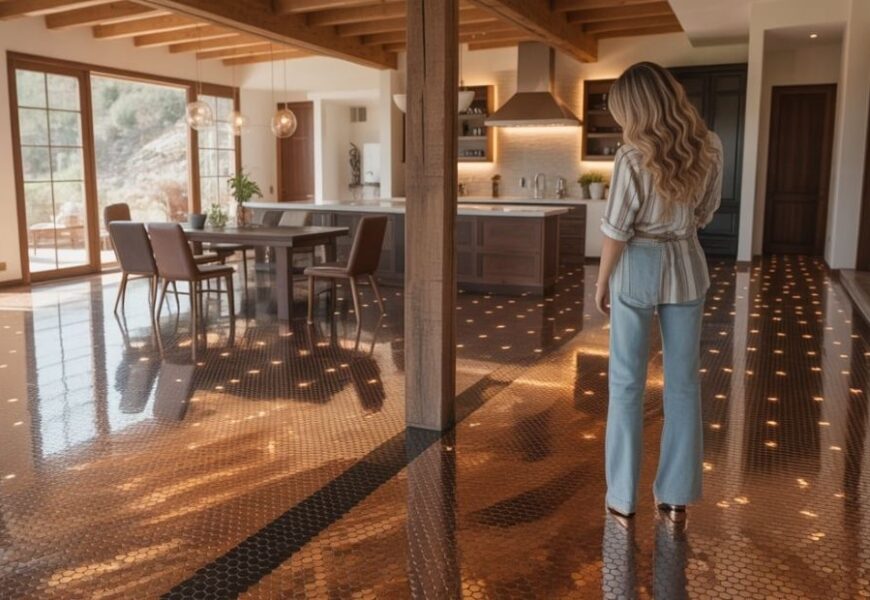
A penny floor is a creative and striking way to use pennies as a flooring material. You glue pennies tightly together on your floor, usually covering a bathroom, kitchen, or laundry room. The pennies are then sealed with epoxy or another strong finish. This creates a smooth, shiny surface that catches the eye and adds character to any room.
Many people choose penny floors because they are an affordable, DIY-friendly way to get a high-end look. The shine of copper coins creates a warm glow that other floors can’t match. You can arrange pennies in different patterns or pair them with warm grey grout for modern floors to achieve a clean, contemporary finish.
While penny floors are visually stunning, they require more work than typical flooring options like vinyl or laminate. The unique appeal is worth it for many, but it’s important to understand how much you should expect to pay.
Average DIY Cost Per Square Foot (2026 Updated)
In 2026, the average DIY penny floor cost per square foot in the USA typically ranges between $1.50 and $5. This depends largely on the pennies you use, the adhesive, the grout or epoxy sealant, and your floor’s prep work.
For example, pennies themselves cost about $2.56 per square foot, assuming 256 pennies per square foot. But pennies aren’t the only expense. You’ll also need glue, grout, sealants, and some tools, which add to the price. Adhesives and surface preparation usually add around 25 to 40 cents per square foot. Adhesives and surface preparation usually add around 25 to 40 cents per square foot, making penny floors one of the more affordable flooring alternatives for budget-conscious DIY homeowners.
Here is a simple cost table to give you an idea:
| Item | Approximate Cost Per Sq Ft |
| Pennies | $2.50 |
| Adhesive & Glue | $0.30 |
| Grout & Sealant | $1.00 |
| Surface Prep & Tools | $0.50 |
| Total Estimated | $4.30 |
The variation happens because some people use older, circulated pennies, which cost less or are free, while others buy new pennies in bulk. The quality of sealant also matters a lot for the durability of your floor. Higher-end epoxy can increase costs but offers longer protection.
Why the Cost Can Vary Significantly
There are several reasons why how much is a penny floor per square foot DIY can vary so much. First, the source of pennies is important. If you collect pennies from jars at home or from friends, your material cost is almost nothing. However, if you buy pennies in bulk rolls or special sets, that adds to the cost.
Another factor is your floor’s current condition. If your subfloor needs leveling, cleaning, or repair, this adds prep costs. A smooth surface is crucial for penny floors to look good and last long.
Your design also impacts cost. A simple, straight layout uses pennies efficiently. But if you want patterns or mosaics, it may require extra pennies or cutting, increasing costs. Finally, the type of sealant you pick affects the price. Some cheaper sealants may need more frequent reapplication, costing more in the long run.
DIY vs Professional Installed Penny Floor
Choosing between DIY and professional installation affects your budget and experience. Professionals typically charge between $6 and $12 per square foot, including materials and labor. Labor alone can be about $30 to $50 per hour, which adds up quickly for this labor-intensive work.
Doing it yourself saves money but requires time and patience. If you enjoy hands-on projects and want to control costs, DIY is the way to go. On the other hand, if you lack experience or want a perfect finish quickly, professionals can handle the complexity but at a higher price.
Keep in mind that mistakes in DIY can increase your cost if you need to redo sections or buy extra materials. Balancing your skills and budget is key when deciding.
Step-by-Step DIY Penny Floor Cost Checklist
Knowing the steps helps you budget accurately for your penny floor. Start by measuring your floor to know how many pennies you need.
Step 1 – Measure Your Floor Area
Accurate measurement saves money and avoids waste. Measure length and width of the room in feet and multiply to get square footage. For example, a 10×10 room is 100 square feet. Double-check measurements to prevent costly mistakes later.
Step 2 – Count Pennies Required
Each square foot uses about 256 pennies arranged tightly. Multiply your total square footage by 256 to estimate pennies needed. Remember, your layout affects penny count. For hex or staggered layouts, the number might change. If you need 100 square feet, expect to need around 25,600 pennies.
Step 3 – Surface Prep & Cleaning
Prepare your floor by cleaning, leveling, and sometimes priming. You’ll need tools and materials like sanders or leveling compounds. Proper prep prevents problems like penny lifting or uneven surfaces. Skipping this step can cost you more in repairs.
Step 4 – Layout & Adhesive
Plan your layout carefully before gluing. Use a strong adhesive designed for floors. Applying adhesive evenly helps pennies stick well and prevents shifting. Time spent here saves frustration and waste.
Step 5 – Grouting and Sealing
Once the pennies are glued, grout fills the gaps to create a smooth, even surface. After the grout fully dries, seal your floor with epoxy or polyurethane to protect it from moisture, stains, and discoloration. Following a DIY grout sealing guide helps ensure proper coverage, long-lasting durability, and a consistent glossy finish without costly mistakes.
Real Examples & Pricing Scenarios
To give you context, consider these real-life cases from USA homeowners.
A small 50-square-foot bathroom penny floor costs around $200 to $400 DIY, including materials and sealants. For a medium 150-square-foot laundry room, expect $600 to $1000 depending on sealant choice. High-end decorative floors with complex patterns and top-quality epoxy can cost $5 or more per square foot.
Such real examples help set realistic expectations and budget planning.
Penny Floor vs Other Flooring Types
Comparing penny floors to common flooring helps you decide if it’s right for you.
| Flooring Type | Avg. Material Cost/Sq Ft | Durability | Installation Difficulty |
| Penny Floor (DIY) | $1.50 – $5.00 | Moderate-High | High |
| Vinyl Plank | $2.00 – $7.00 | Moderate | Easy |
| Tile | $5.00 – $15.00 | High | Medium |
| Laminate | $1.50 – $4.00 | Moderate | Easy |
Penny floors provide a unique look but need more time and effort. Vinyl and laminate are easier but less creative. Tile lasts longer but costs more. Your choice depends on budget, style, and DIY skill.
Pros & Cons of Penny Floors (Cost-Focused)
From a budget view, penny floors shine in material costs but hide some challenges. The pennies themselves are affordable, especially if collected from change. The creative factor adds value too.
However, DIY penny floors demand significant time and effort, raising the “cost” of your labor. Also, special tools, adhesives, and sealants add hidden expenses many overlook. On the bright side, penny floors last long with proper sealing, reducing replacement costs.
Tips to Save Money on Your Penny Floor Project
You can save money on your penny floor project by sourcing pennies from friends or banks instead of buying new rolls. Cleaning pennies in batches using simple household solutions cuts down on prep time and expenses. Choosing straightforward layouts helps reduce waste and keeps costs low. Finally, shop around for epoxy sealants and select quality brands at competitive prices.
If you’re wondering how much is a penny floor per square foot DIY, smart planning and patience will save you both money and headaches in the long run.
Maintenance & Long-Term Costs
Penny floors need cleaning with gentle cleaners to maintain their shine and beauty over time. Regular resealing every few years helps keep them protected from wear and discoloration. Understanding polyurethane drying time also matters, as proper curing ensures the sealant bonds correctly and lasts longer. When cared for properly, penny floors can last for decades, making them a durable choice.
Compared to other flooring types that may require frequent replacement, penny floors offer long-term value. If you’re wondering how much is a penny floor per square foot DIY, remember that planning for maintenance costs is just as important as the initial investment.
Must-Know Pitfalls That Can Increase Cost
Many DIYers wonder how much is a penny floor per square foot DIY but often overlook crucial steps that can drive costs up. Underestimating surface preparation or choosing low-quality sealants leads to problems like lifting pennies and discoloration. Skipping proper prep means you might spend more fixing mistakes later.
Rushing the project is another common mistake. It often results in misaligned pennies, wasted materials, and extra time spent removing excess adhesive after it dries. In some cases, homeowners even end up hiring professionals to redo sections. Avoiding these common pitfalls helps keep your budget on track and your penny floor looking great for years.
Conclusion
So, how much is a penny floor per square foot DIY? Expect anywhere from $1.50 to $5 per square foot, depending on materials and effort. Penny floors offer a unique, budget-friendly option with room for creativity. They suit those who enjoy hands-on projects and want a stunning floor that stands out.
With proper planning, preparation, and care, your penny floor can be a lasting centerpiece in your home that reflects both your style and smart budgeting. Ready to roll up your sleeves and start? The penny floor adventure awaits!
FAQs
A penny floor typically costs between $1.50 and $5.00 per square foot for DIY projects, depending on materials and sealants used.
Vinyl plank flooring is often the cheapest DIY option, costing around $1.50 to $3.00 per square foot.
Yes, it is legal to use pennies for flooring as long as they are not defaced or destroyed illegally.
About 256 pennies cover one square foot when laid tightly together.
Pros include unique style and affordability; cons are labor intensity and the need for careful sealing.
One square foot of penny flooring contains about 256 pennies, equaling 256 cents or $2.56.