Introduction
Managing stubborn weeds can feel like a never-ending battle. That is why many lawn owners across the USA rely on the triclopyr ester and tenacity mix ratio in 1 gallon for reliable results. This powerful blend brings together two proven herbicides that attack weeds in different ways. When used correctly, it improves weed control, protects healthy turf, and reduces repeat treatments.
Homeowners and professionals trust this mix for lawns filled with mixed weed pressure, especially when working on front yard landscaping ideas that demand a clean and healthy appearance. Understanding the right ratio helps you avoid turf damage while boosting performance. With proper herbicide mixing, accurate application rates, and smart timing, you can turn a struggling lawn into a cleaner, greener space you actually enjoy maintaining.
What is Triclopyr Ester?
Triclopyr Ester is a powerful herbicide used mainly to control broadleaf weeds and woody plants. It works by mimicking natural plant hormones, causing weeds to grow uncontrollably until they die. This chemical is especially popular in forestry, agriculture, and turf management because it targets difficult weeds while leaving grasses unharmed.
Triclopyr Ester is known for its selective action and long-lasting effect. Many professionals rely on it to manage invasive species and brush, especially when planning treatments that involve the triclopyr ester and tenacity mix ratio in 1 gallon. However, using it correctly is essential because too much can damage desirable plants or harm the environment. Always follow safety guidelines and manufacturer instructions when handling this herbicide.
Understanding Tenacity Herbicide
Tenacity is another herbicide used widely for turfgrass weed control in the USA. Its active ingredient, Mesotrione, works by blocking the production of pigments plants need to survive. This causes weeds to weaken and die without harming most grass species. When used alongside other products, such as in the triclopyr ester and tenacity mix ratio in 1 gallon, accuracy and timing become even more important.
Tenacity is favored for its broad spectrum and systemic action. It controls tough weeds such as crabgrass, chickweed, and spurge. Turf managers appreciate its effectiveness in cool-season and warm-season grasses. Tenacity is often used in golf courses, lawns, and athletic fields because it provides clean turf without harsh chemicals.
Why Mix Triclopyr Ester and Tenacity?
Mixing Triclopyr Ester and Tenacity creates a powerful combo that covers a wider range of weeds. The two herbicides work differently, so when combined, they increase the chance of killing both broadleaf weeds and grassy weeds. This synergy means fewer applications and better results.
For example, if your lawn has a mix of dandelions and crabgrass, this blend can tackle both. Many professionals recommend mixing these herbicides for tough weed problems and other common lawn problems homeowners face. However, compatibility is critical; the chemicals must be mixed in the right ratios to avoid damage to your lawn or ineffective results.
Triclopyr Ester and Tenacity Mix Ratio in 1 Gallon – The Basics
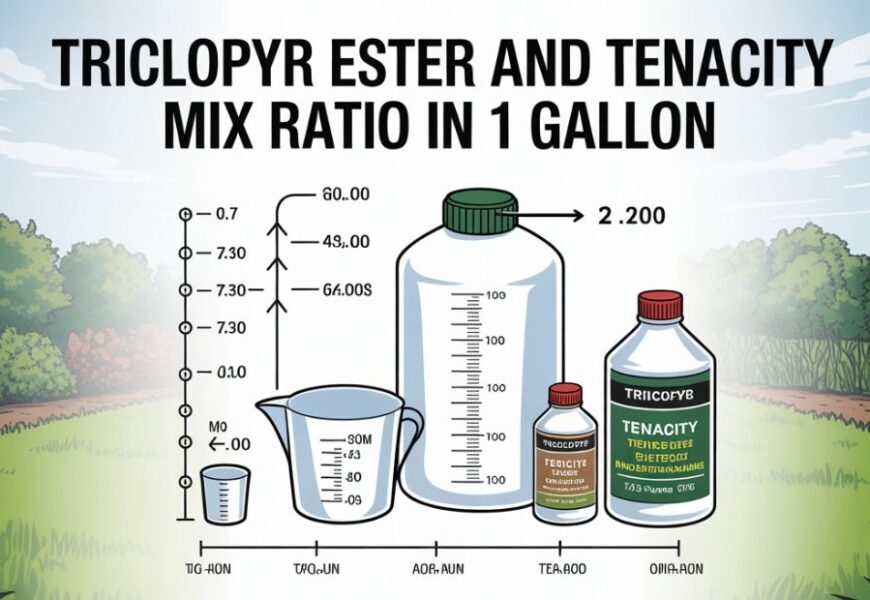
Understanding the triclopyr ester and tenacity mix ratio in 1 gallon is the foundation of safe and effective weed control. Typically, this ratio refers to how much of each herbicide to add to one gallon of water for spraying.
A standard mix might include 1 to 2 ounces of Triclopyr Ester with 0.4 to 0.5 ounces of Tenacity per gallon. However, these amounts can change depending on the weed species and turf type. Always check the product labels for the latest recommendations.
To prepare the mixture, fill your spray tank with part of the water, add the herbicides carefully, and then fill the tank the rest of the way. Mixing in this order ensures the chemicals dissolve properly and remain stable during application.
Recommended Mix Ratios and Application Rates
The recommended mix ratio of triclopyr ester and tenacity in 1 gallon varies with the treatment area and weed severity. For a typical lawn, an effective rate might be 2 oz of Triclopyr Ester combined with 0.5 oz of Tenacity. Applying this solution at a spray volume of 30 to 40 gallons per acre covers the area evenly.
Here is a simple table showing sample mix ratios for different needs:
| Weed Severity | Triclopyr Ester (oz) | Tenacity (oz) | Spray Volume (gal/acre) |
| Light Weeds | 1.0 | 0.4 | 20 |
| Moderate Weeds | 1.5 | 0.5 | 30 |
| Heavy Weeds | 2.0 | 0.5 | 40 |
Always adjust based on your specific turf and weed situation. Timing also matters; applying when weeds are young and actively growing leads to the best results.
How to Apply the Triclopyr Ester and Tenacity Mix Effectively
For effective application, choose calm, dry weather to avoid spray drift and wash-off. Use proper safety gear like gloves and masks to protect yourself from exposure—following good home maintenance safety tips is essential. Spray evenly across the target area, holding the nozzle close to the ground.
Avoid spraying on hot, sunny days to prevent turf damage. Cleaning your equipment after use helps avoid cross-contamination and prolongs the life of your sprayer. Following these steps ensures the herbicide mix works as intended without harming your lawn or environment.
Real-Life Case Studies and Examples
In a study conducted on a residential lawn in Georgia, applying a mix of triclopyr ester and tenacity at recommended ratios resulted in 85% weed control within two weeks. Homeowners noticed fewer dandelions and clover without damage to their Bermuda grass when following the triclopyr ester and tenacity mix ratio in 1 gallon.
Another case in a commercial golf course in Florida showed that applying this mix helped control invasive broadleaf weeds and crabgrass over a 6-week period. Turf managers reported healthier, greener grass and reduced herbicide applications overall. These examples show the mix’s effectiveness when done right.
Environmental and Safety Considerations
Using herbicides always comes with responsibility. Both Triclopyr Ester and Tenacity require careful handling to protect people and the environment. Store chemicals in secure, labeled containers away from children and pets.
The EPA regulates these herbicides strictly in the USA, ensuring safe use guidelines are followed. Avoid spraying near water sources to protect aquatic life. Wearing protective gear during application minimizes health risks. Always follow disposal instructions for leftover mixes or containers and incorporate eco-friendly home care practices to further safeguard your surroundings.
Troubleshooting Common Issues with the Mix
If you notice patchy weed control or damaged grass, the triclopyr ester and tenacity mix ratio in 1 gallon might be off. Overuse can cause phytotoxicity, harming your lawn. If weeds persist, it may mean the application was too light or the weeds are resistant.
To fix these problems, review your mixing process and application technique. Adjust doses according to weed type and turf species. If issues continue, consider when professional outdoor help is needed and consult a lawn care professional or extension service for advice.
Conclusion
Using the right herbicide approach makes a real difference in lawn health and long-term weed control. When you understand how these products work together, you gain better results with less effort and fewer repeat treatments. Careful measuring, correct timing, and safe application protect your grass while targeting unwanted growth.
The triclopyr ester and tenacity mix ratio in 1 gallon offers a practical solution for lawns facing mixed weed problems. Follow label directions, respect environmental guidelines, and observe how your lawn responds. With patience and consistency, combined with seasonal lawn and garden care tips, you can maintain a healthier, greener lawn that looks clean, balanced, and well cared for throughout the growing season.
FAQs
Yes, both herbicides are commonly tank-mixed when label directions are followed. Always add each product carefully and mix with water properly to avoid separation or reduced effectiveness.
This mix is generally safe for many turfgrasses. However, some grass types may be sensitive, so always check the label and test a small area first.
Most weeds begin showing signs of stress within 7 to 14 days. Full control may take a few weeks depending on weed type and growing conditions.
Avoid spraying during extreme heat. High temperatures can stress turf and increase the risk of damage, reducing overall weed control performance.
Application frequency depends on weed pressure and label guidance. In most cases, repeat applications should be spaced several weeks apart.
Yes, wearing gloves, long sleeves, and eye protection is recommended. Proper safety gear reduces exposure and keeps application safe and controlled.